
It was established early on in the AUII that Alabama had the land, water, and climate variability to support irrigation. The limiting factor was farmer adoption, as many farmers did not believe that irrigation would pay for itself. Due to Alabama’s highly variable rainfall patterns, rain-fed farming can be profitable in the short term. Additionally, there can be short-term risks associated with irrigation adoption, as irrigation decisions are capital-intensive and loan repayment periods can be short.
Because of this, it was crucial for long-term Alabama-specific economic analyses to be performed. By coupling crop models and over 50 years of weather data it was demonstrated that installing irrigation infrastructure is consistently delivers higher profits in the long-term when compared to rain-fed farming. This highlighted the need for financial tools such as cost-share programs, tax incentives, or extended loan repayment periods.
Approach to the Economic Analysis
Click here to add your own text

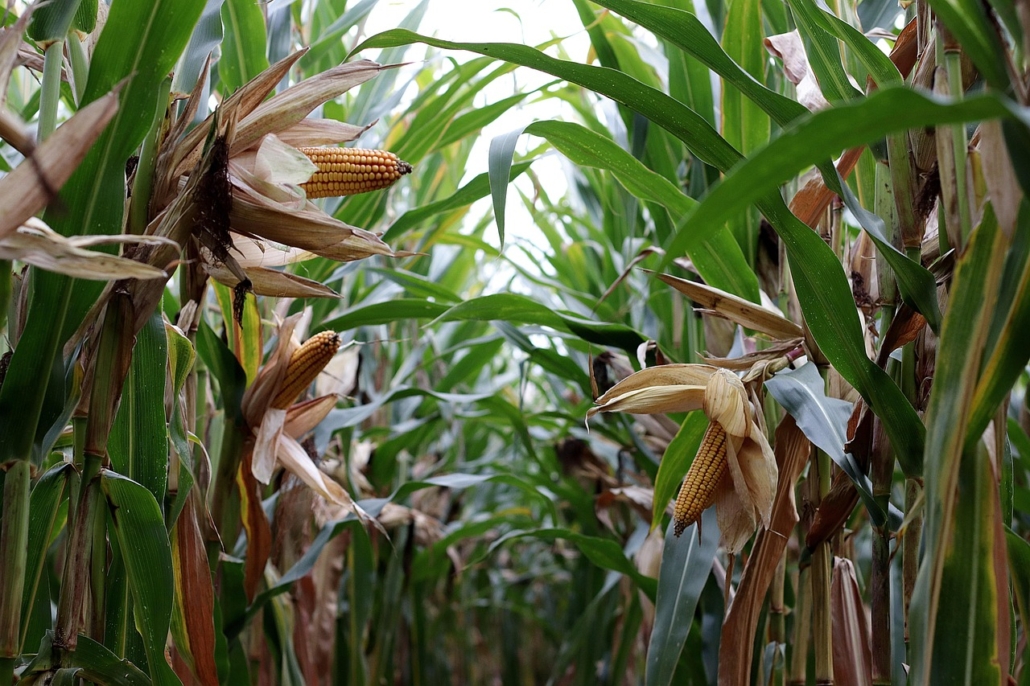
Crops Evaluated
At the outset of the AUII, a wide range of crops was considered for evaluation, including vegetables and tree nuts. It was decided, however, that new crops would require new supply chains, processing facilities, and market development. Because of this, the decision was made to examine the effects of irrigation on existing crops such as corn, cotton, soybeans, and peanuts.
During the initial crop model development phase, Alabama ranked second in poultry production in the US. This provided a substantial in-state market for corn and soybeans. As a result, crop models and evaluations were developed for both crops. Although both performed well and showed substantial increases under irrigation, corn was ultimately selected as the primary focus of further evaluations and economic analyses due to its market importance.